Context and Institutional Memory
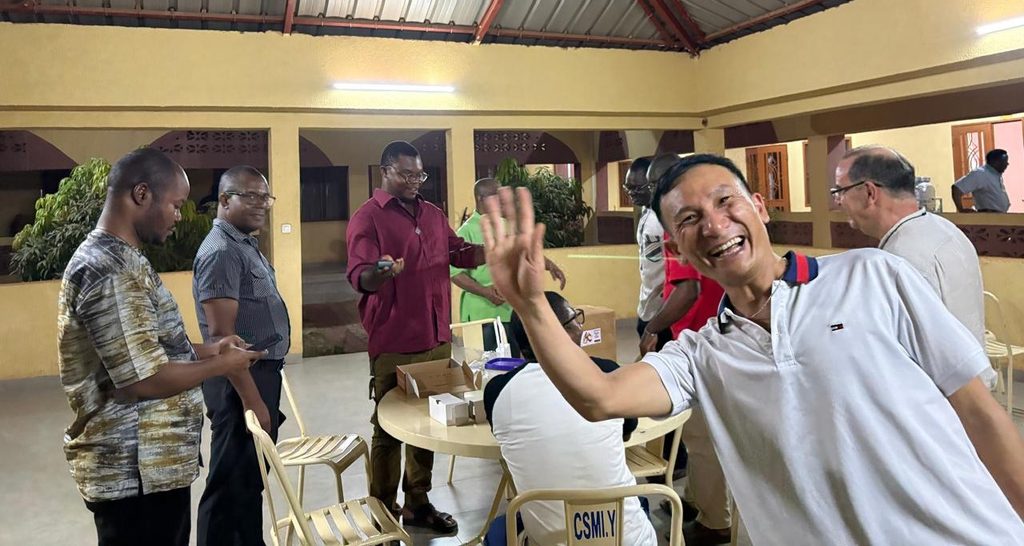
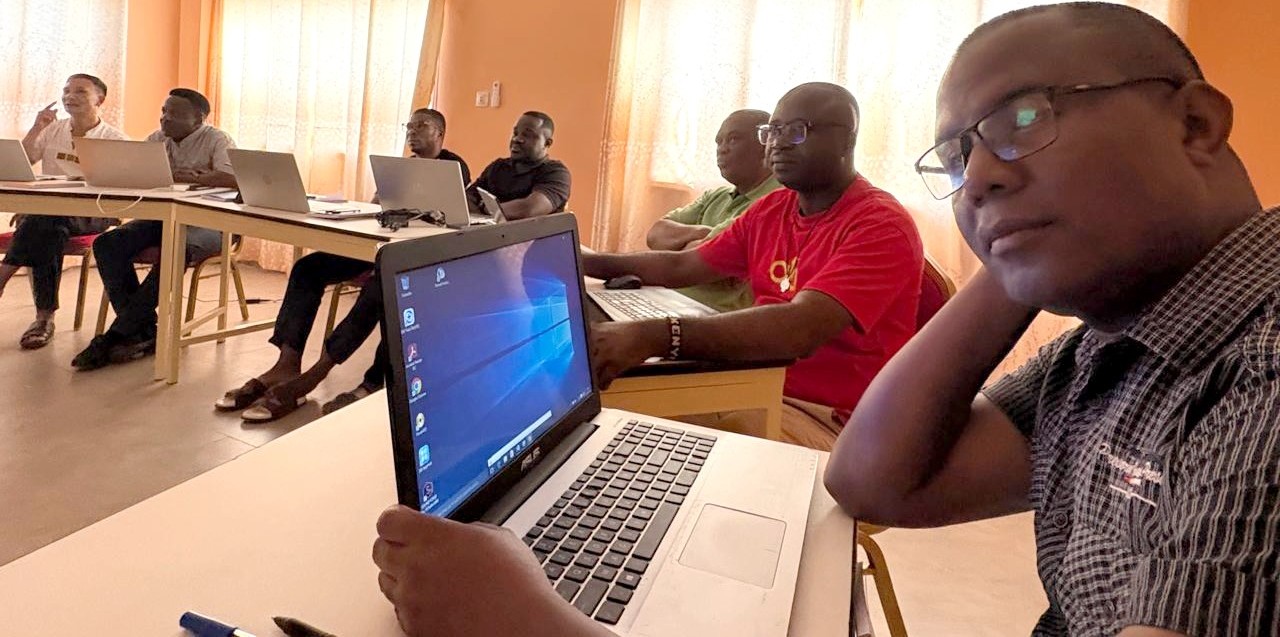
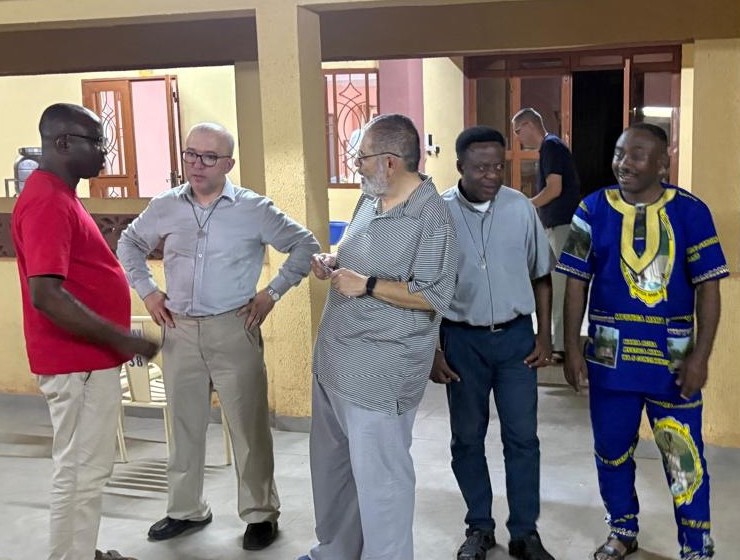
The theme for our second day was: Context and Institutional Memory. The session was divided into three parts. The first part was devoted to a presentation by Mr. Pascal SAGADOU on the social and ecclesial reality of Burkina Faso. Mr. SAGADOU works in the communications office of the Ministry of Education and is very familiar with our congregation.
The speaker discussed the country, focusing on the key events that have shaped its history from independence to the present day. It is important to note that Burkina Faso is undergoing a multifaceted crisis that is affecting all aspects of life. Speaking about the local Church, Pascal told us that it is 125 years old and has always stood with the poor.
According to him, we can interpret the country’s situation in light of our motto: *Adveniat Regnum Tuum*, which can mean: “May justice prevail; may dignity be restored.” Furthermore, the congregation must make youth a priority, education a laboratory for social transformation, and the media a true mission field; it must also train religious to discern the changes taking place today. After Pascal’s presentation, we asked him some questions to gain a deeper understanding.
The second session of the day, moderated by Fr. Marcelo Marciel as a member of the steering committee, focused on the question: “How can we articulate the charism of the Assumption in a context of major changes?” Overall, we recognized the importance of taking the formation context into account by prioritizing personalized formation.
The third session was devoted to a presentation by the Secretary General for Formation (SGF) on“institutional memory and discernment.” He traced the history of the CIFAs and the General Secretariat for Formation before highlighting key points regarding discernment within the CIFAs and other formation communities. The SGF’s responsibilities include: accompanying formators and formation commissions, supporting Assumptionist formation throughout the Congregation, and responding to specific requests. To continue our reflection on this same topic, Fr. Donatien Vula facilitated the discussion as a member of the steering committee. Together, we discussed: the composition of the formation teams in the CIFAS and in the major houses of formation; the possibility of establishing new CIFAS; the relationships between CIFAS formators and provincial or vicarial formation commissions, communication among CIFAS formation teams and with all formation houses, etc.
We concluded our proceedings with Vespers at 6:30 p.m.
Br. Jérôme MASUMBUKO