

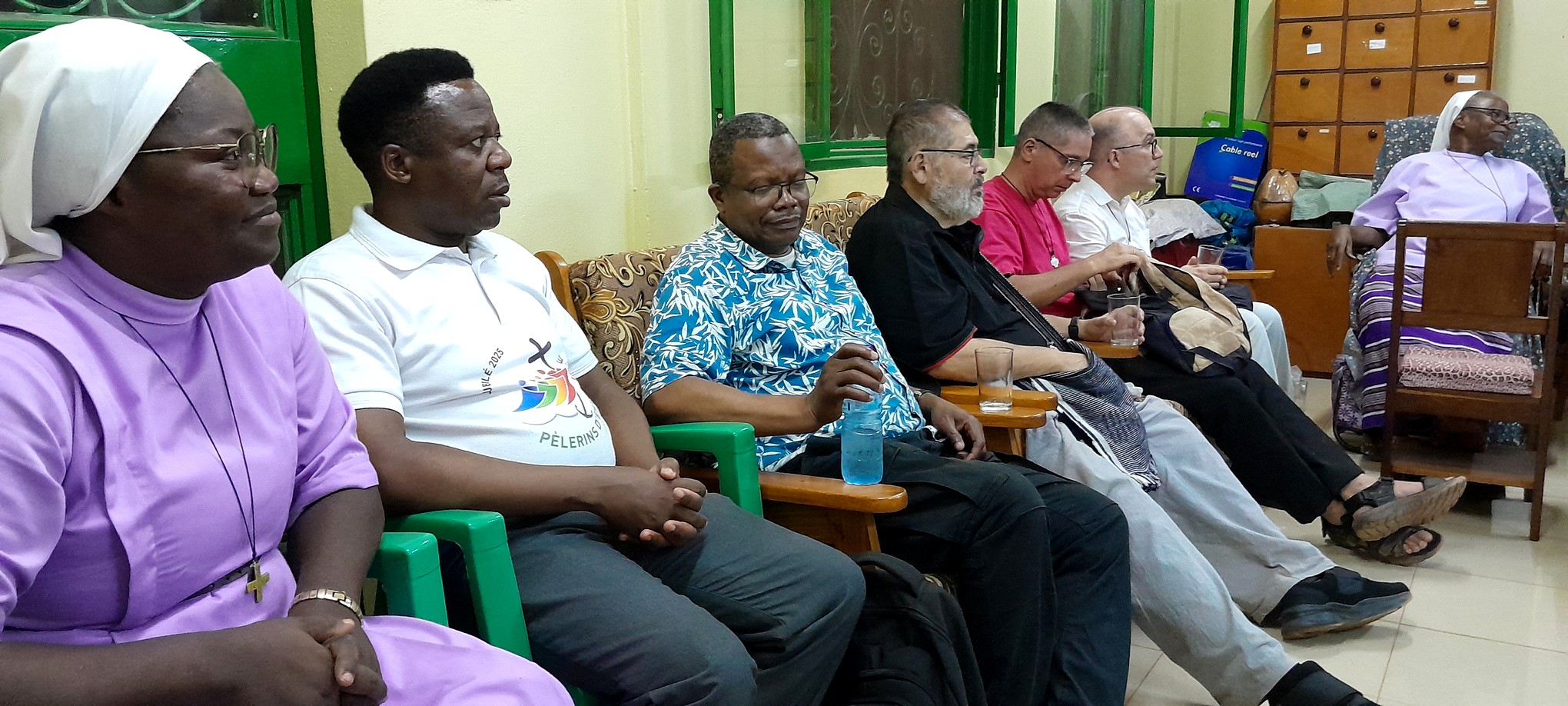
Topics of the Day: Communication Between Formators and Church Authorities; Specialized Formation and the Formation of Religious Brothers
After a time of prayer, followed by Mass and breakfast, we continued with a sharing session among the groups that had met at the end of the previous day to discuss and present proposals regarding ways to support formation on the theme of the digital age and artificial intelligence (AI).
The groups’ discussions led to the following proposals:
1. Creating videos about AI and the digital age.
2. That each religious community engage in discernment regarding the proper use of these new tools.
3. Development of a reflection guide designed to foster personal and communal reflection. This guide should include elements that encourage reflection on ethical issues and raise awareness that, while these tools can be useful to us, they can also have a negative impact on various aspects of society. It should prompt us to ask ourselves why we use them and how we can avoid losing our ability to feel and think.
4. Promote the formation programs offered by religious orders and dioceses, as well as those that our Assumptionist brothers may offer in this area.
5. Drafting a letter addressing the topic of AI and the digital age.
Following the groups’ presentations, Benoît noted that several videos on AI are available on the Congregation’s YouTube channel. They explain how AI works and address, in particular, the issue of algorithms.
Watching these videos, we realized the extent of the problem of misinformation, which can fuel phenomena such as terrorism, racism, and various political agendas. We are becoming aware that this information is not necessarily verified or reliable. We must combat misinformation! We must be aware that it doesn’t just appear out of thin air: behind the information are people with their own interests and structural biases linked to the way AI is fed data.
After the 10:30 a.m. break, we turned to the topic for the first part of the day: communication between the formation Commission and the provincial leadership and governance teams.
We discussed the process for sending admission letters to ensure continuity in the support provided to religious in formation. Benoît presented Form 2.13, available on the Congregation’s website under “Administrative Directory.” Its purpose is to facilitate communication among the various bodies within the Congregation to which the young person in formation is sent for his formation.
We also discussed Form 3.5 from the Administrative Board. This form pertains to the transfer of a religious for mission or academic reasons. Filling it out provides a better understanding of the religious and the purpose of the transfer. There is a space provided to record agreements between the provincials.
However, it appears necessary to continue working to improve communication.
In the afternoon, we resumed our work by discussing pastoral formation and specialized studies. We watched the video “Assumptionists: Formation for Life and Mission,” which can be found on the YouTube channel“Augustinians of the Assumption—Rome.” It reminded us of the various areas in which we need to specialize: media, patristics, education, ecumenism, Assumptionist religious life… Our formation is comprehensive, as it encompasses the human, spiritual, apostolic, and academic dimensions.
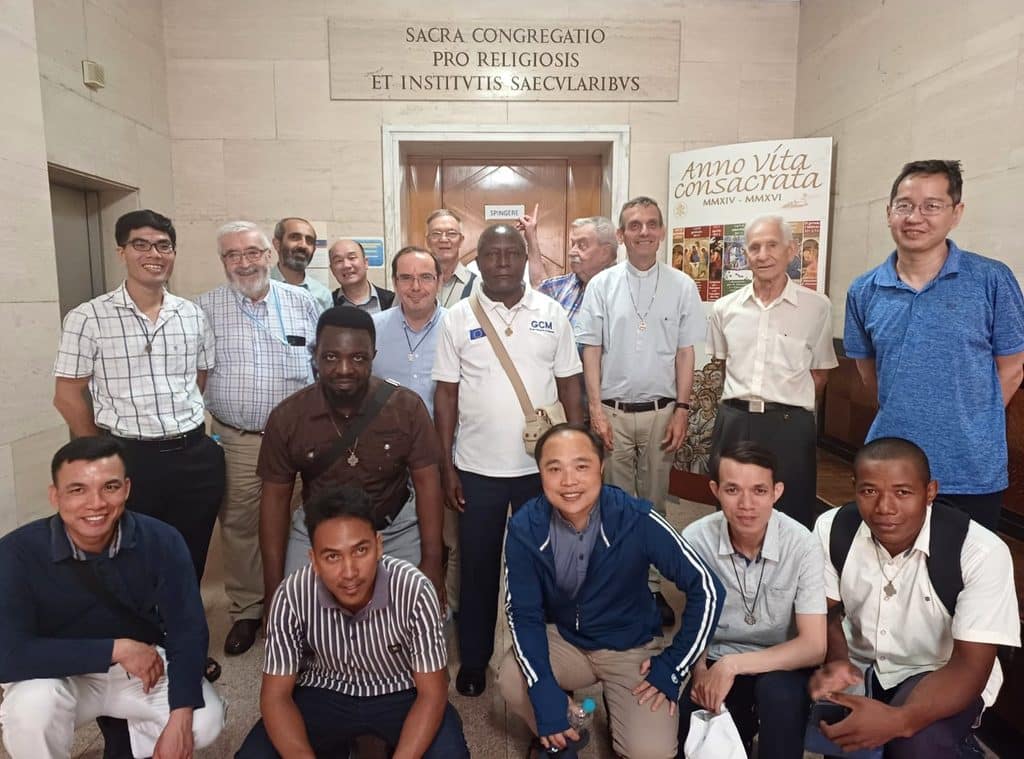
We concluded by addressing the delicate issue of the formation of religious brothers. Our programs struggle to highlight this aspect, and in this regard, they reflect a certain clericalism that is evident in both word and deed in some Assumptionist communities. We must make this vocation appealing, for it helps us all grow as Assumptionist religious.
Fr. Wellington Barbosa Dias, a.a.