Formation in the Digital Age
The day began with a Marian antiphon prayer led by Father Donatien. After the prayer, the small groups presented the results of their work on the challenges facing formation today. The second session focused on the topic of digital technology in light of *Magnifica Humanitas*.
The roundtables identified a number of challenges, including:
-Teamwork among formators; formation in the spirit of synodality; a sense of belonging to the community and a deep connection to the heritage of the Assumption;
-The challenges posed by languages, the digital world, and the influence of worldly-mindedness;
-Preserving and developing the congregation’s heritage; Supporting the team of formators; The spirit of pastoral discernment and callings to the Kingdom of God.
Several presentations on the role of the instructor enriched the discussions. Instructors should avoid incoherent remarks. They are encouraged to find effective tools that help young people connect with the heritage of the Assumption.
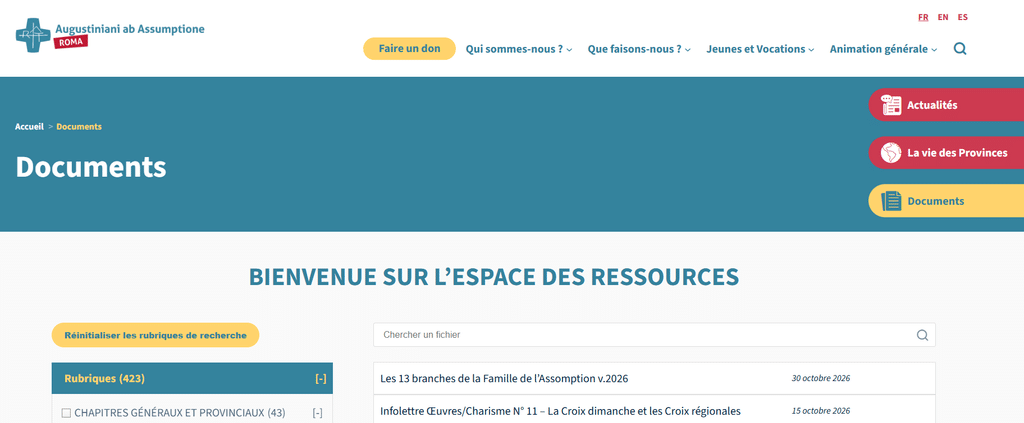
From this perspective, Father Benoît presented the documentary resources available on the congregation’s website. These include news, updates on the provinces, and the various sections where the many available documents can be found. Father Benoît specifically explained how to use the site.
After the 10:30 a.m. break, work on digital topics in light of *Magnifica Humanitas* began and continued for the rest of the day.
The presentations focused on the human, academic, synodal, and missionary dimensions of digital technology. The observation is that the current generation is sometimes referred to as Generation Z, Generation Y, AI, Android, or a hyper-connected virtual community. Everything takes place virtually. This requires personal discipline.
1. The Benefits of Digital Technology
-Digital technology contributes to human development; it fosters a culture of knowledge, promotes academic progress, and brings people together for online gatherings. It is a tool that can foster synodality. Digital technology facilitates the seamless translation from one language to another. However, digital technology is a double-edged sword. Instead of bringing the community together, it can drive it apart. Hence the need for the rational and responsible use of digital tools.
2. The Danger
-Misuse of digital technology can harm young people’s health, reduce their ability to think for themselves, and undermine their religious aspirations.
3. Recommendations
-Develop a policy on the use of digital technology; form digital specialists who are capable of thinking creatively.
Benoît Bigard, Assistant General, presented the work already underway on the Assumptionist Digital Charter (in accordance with the request of the General Chapter). A participatory process involving the communities is planned to build upon the work that has been initiated. The day concluded with breakout sessions focused on proposals for the appendices to this charter.