

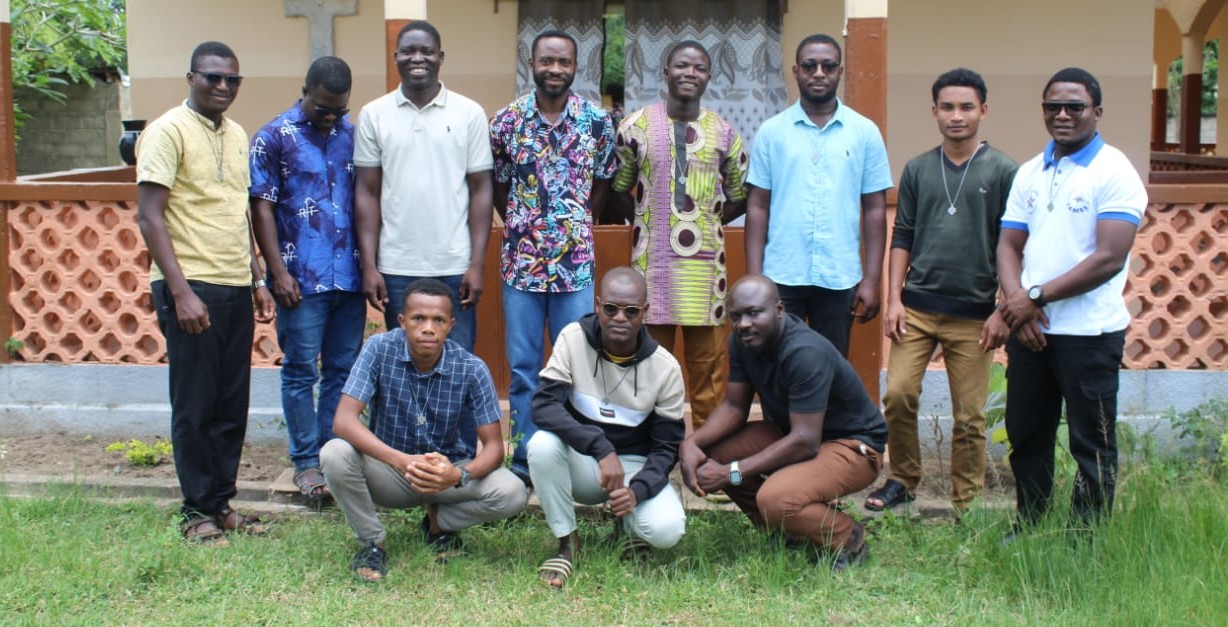
A day dedicated to presenting the current state of formation in the congregation.
On this third day of our session, our discussions focused on the state of formation within the congregation. The first part of the day was devoted to formation in the provinces, the vice-province, and the vicariates. Those responsible for formation in these entities presented the situation in their respective areas. With Father Louis-Martin moderating, we then asked them a few questions to clarify certain points.
It is important to note that the formation committees are effectively fulfilling their role under the guidance of the formation directors. The members of these committees meet at least three times a year to reflect on specific topics and discuss formation. It should also be noted that the reports from brothers seeking perpetual vows and ministries also take up a significant portion of these committees’ work. The provincial, vice-provincial, and vicarial superiors provide assistance to the formation committees. We have noted that the formation directors do their best to meet with the brothers in formation each year. This allows them to connect with the young brothers and get to know them better.
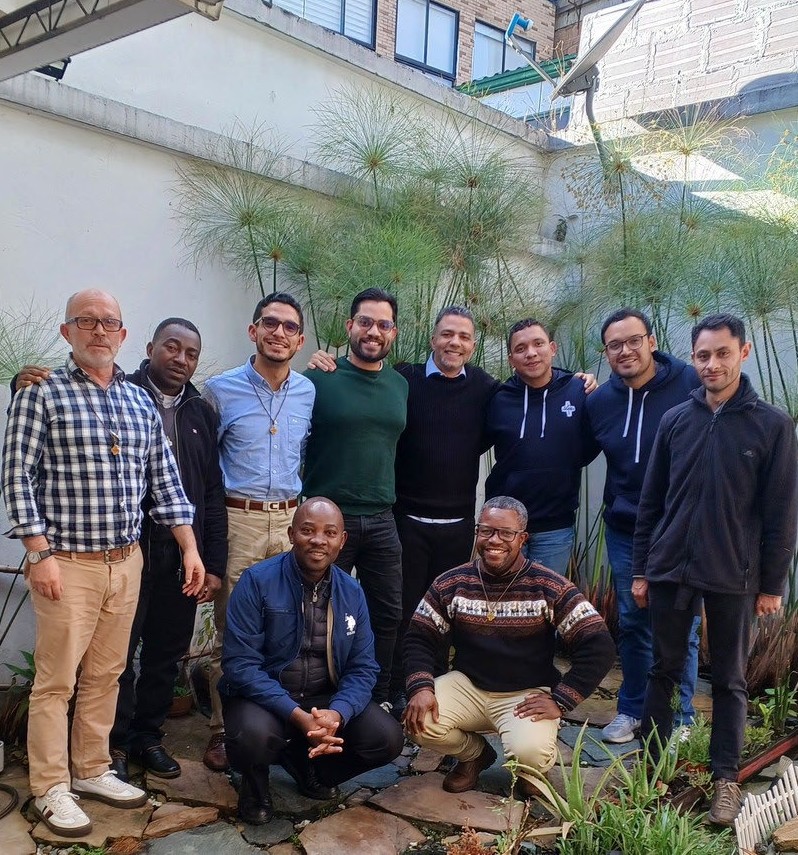
It is worth noting the decline or lack of vocations in certain entities of our congregation, particularly in our provinces in North America and in the Andean Province. In fact, in some countries, such as Chile and Argentina, it has been several decades since young people last knocked on the door of the Assumption. However, we give thanks to God because we are increasingly welcoming young people from countries where the Assumption is not established.
We have also identified a few challenges: Sometimes those responsible for formation are not involved in the selection of young people for formation, even though they could provide valuable insight to the authorities making the appointments. Another challenge is that collaboration between communities, formation commissions, and provincial (vice-provincial/vicariate) authorities is not always effective. In this regard, the model used by the Province of Europe has caught our interest. In fact, the provincial superior is a member of the select formation committee.
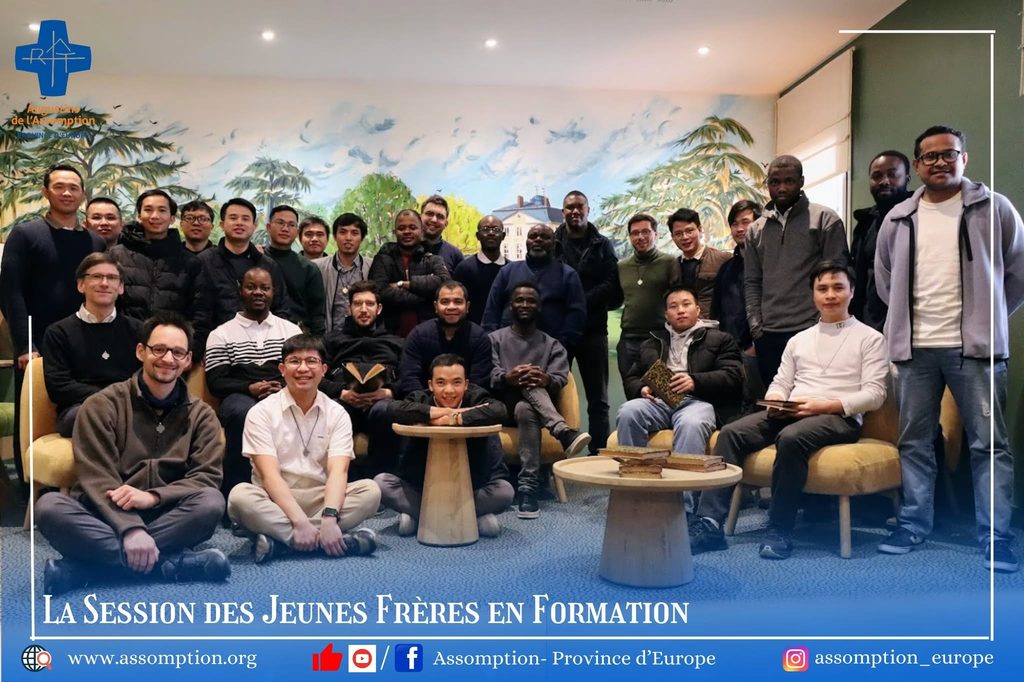
During the second part of the day, which was moderated by Father Sébastien Bagandu Mwanza, we discussed the CIFA in Kinshasa and Nairobi. Our brothers there are having a positive experience with interculturality. Among the strengths identified in the CIFA are a sense of belonging, a willingness to be formed, an awareness that they are studying theology, and so on. A few challenges should also be noted, namely the lack of commitment among some brothers, insufficient academic work by some brothers due to a lack of proficiency in the language of instruction, and so on. It should be noted that the teams of formators meet regularly to discuss their mission and the community’s vision. In addition to their primary mission of accompanying young people in formation, CIFA formators are also engaged in other apostolates such as teaching, chaplaincies, and so on. The religious of these two CIFAs have requested that the provincials continue to send brothers there to ensure that these communities remain intercultural and international.
Fr. Urbain KIBOLOKO